
Factory and capability
Eight production stages under one roof.
Easooty's tie-down straps are made in a single factory in Yinzhou District, Ningbo. Raw polyester granules and webbing arrive as pellets and woven tape, pass through injection moulding for ratchet bodies and hooks, metal stamping for cams and ratchet parts, and a sewing floor that assembles webbing, housing and hardware. Finished goods are boxed, palletised and staged for container loading. Running these stages in-house means tooling changes, colour changes and order changes are handled without waiting on a third party.
The facility
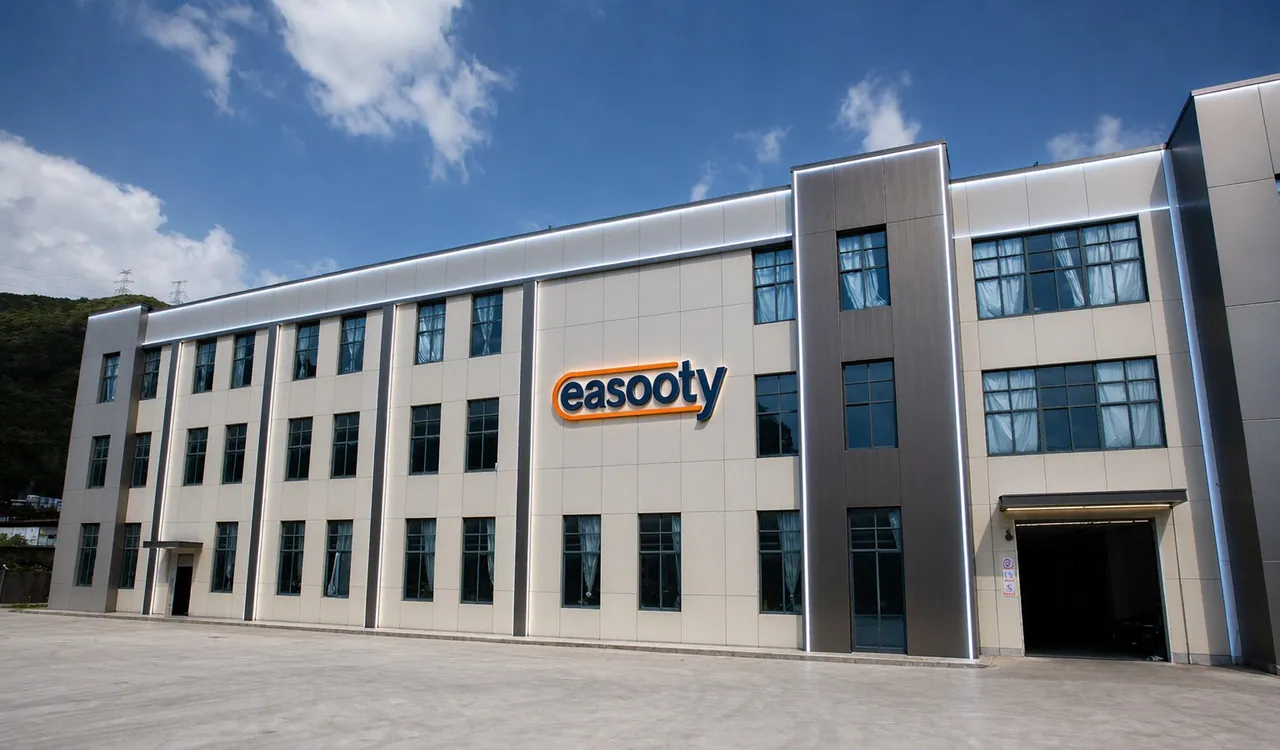
The plant sits in Guanda Line, Tangxi Town in Yinzhou District, with production, moulding, sewing, warehousing and shipping under a single roof. That layout is deliberate: a colour change on the moulding floor can be running on the sewing floor the same shift.
The production line, stage by stage
Twenty-five photographs taken on our own floor. Each stage below links to the images taken there.
01
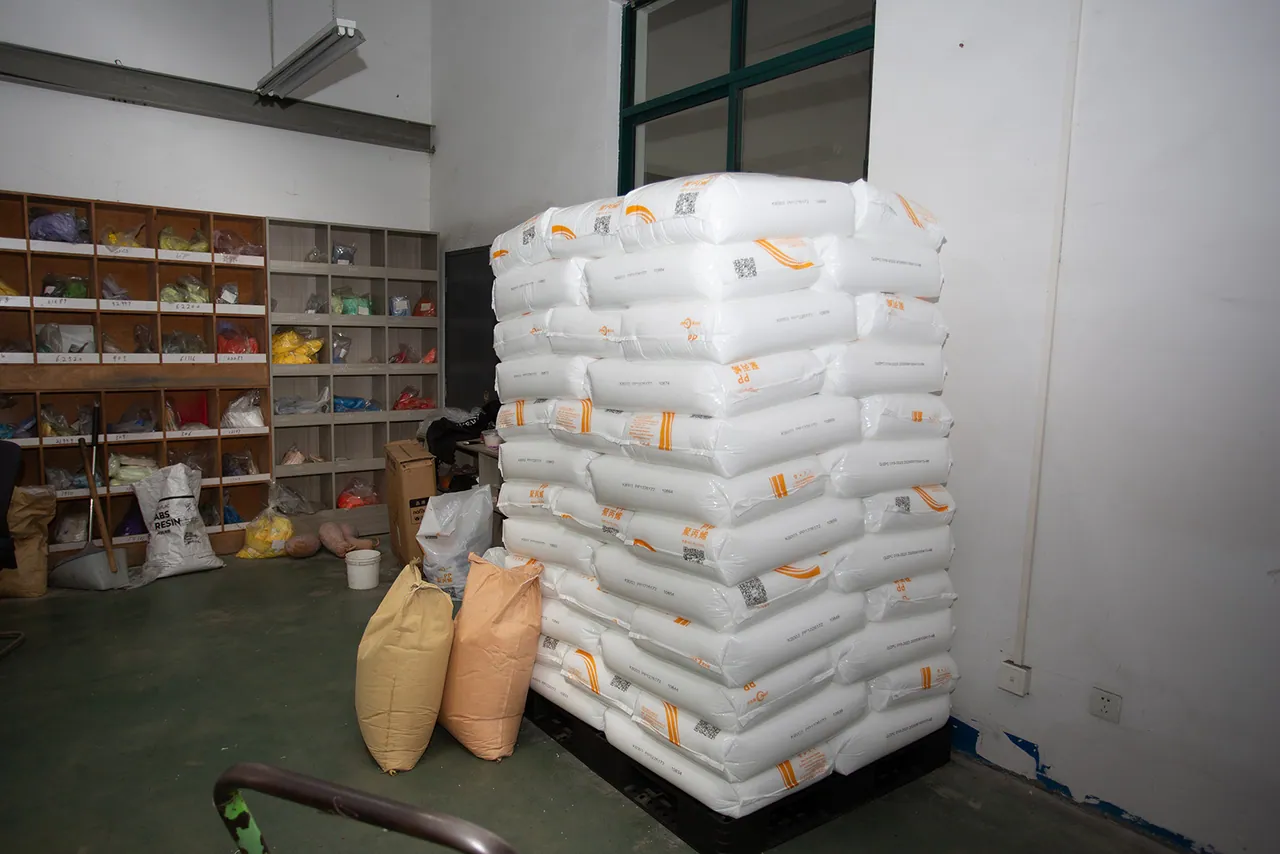
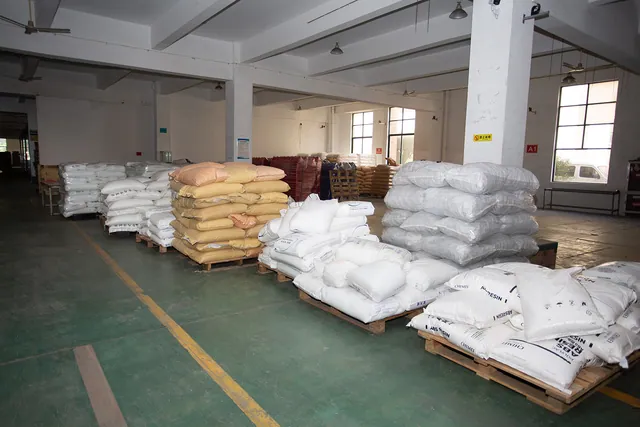
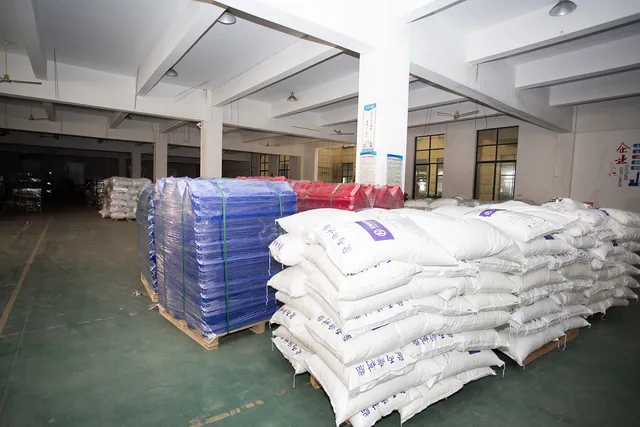
Raw material storage
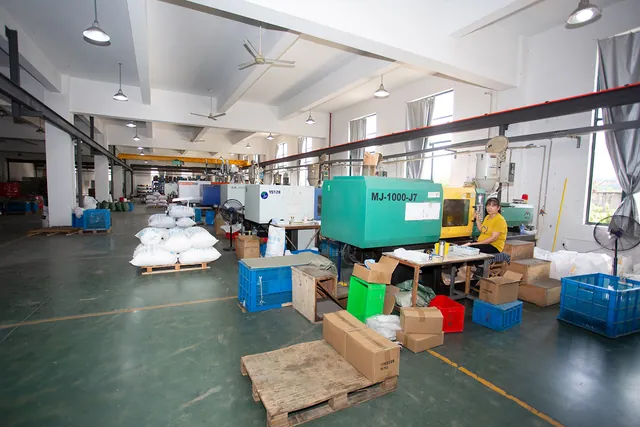
Polyester granules and finished webbing arrive as raw material and are held in a dedicated raw store, segregated by lot. Keeping raw material separate from finished goods is what makes batch traceability possible: when a batch code is queried three years later, we can still identify which lot of granules went into it.
02
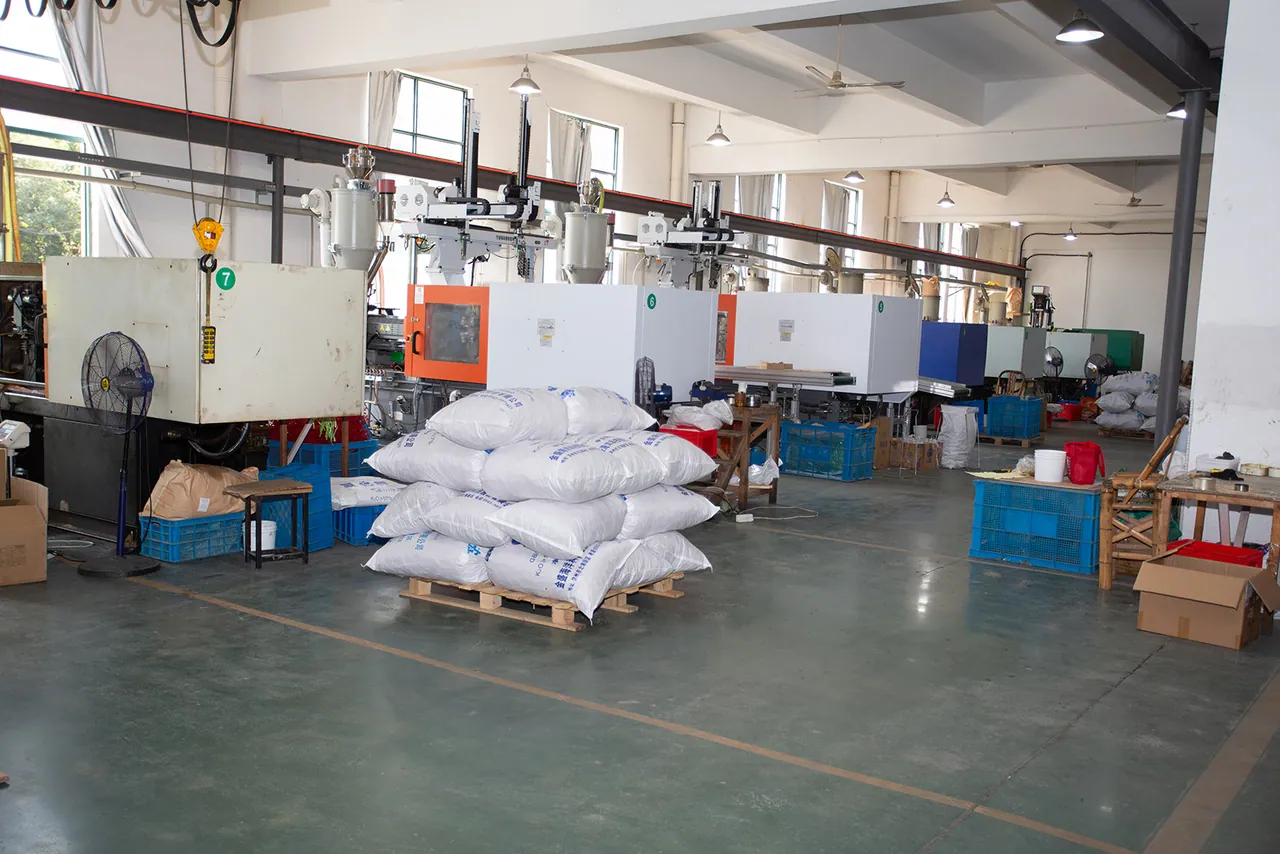
Injection moulding
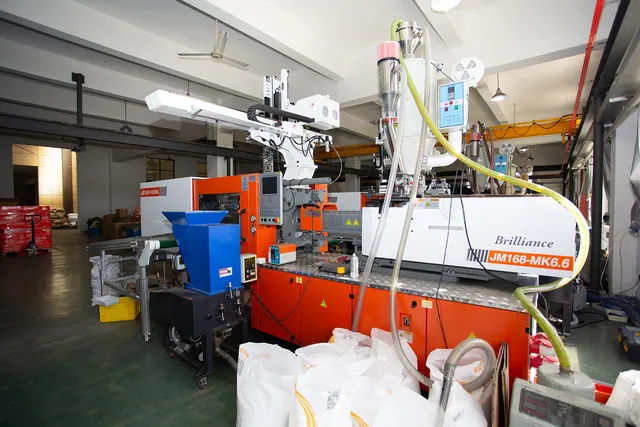
Ratchet bodies, hook housings and moulded end fittings are injection moulded on horizontal presses with robotic take-out. Doing this in-house is what makes a colour change cheap — a new housing colour is a material change and a short tool trial, not a tooling project or a supplier change. The moulds are also where webbing width is set: a 25 mm strap and a 50 mm strap use different cavity inserts in the same tool.
03
Metal stamping
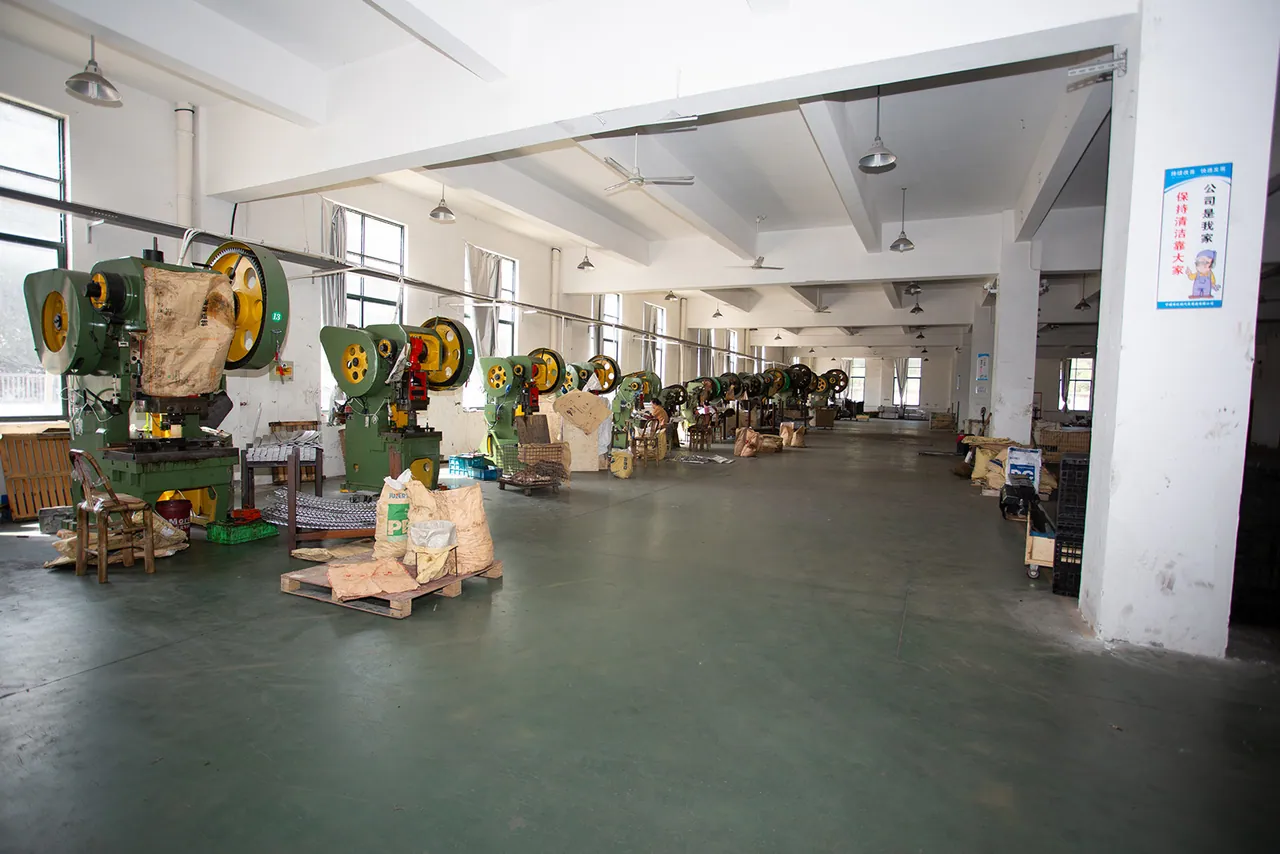
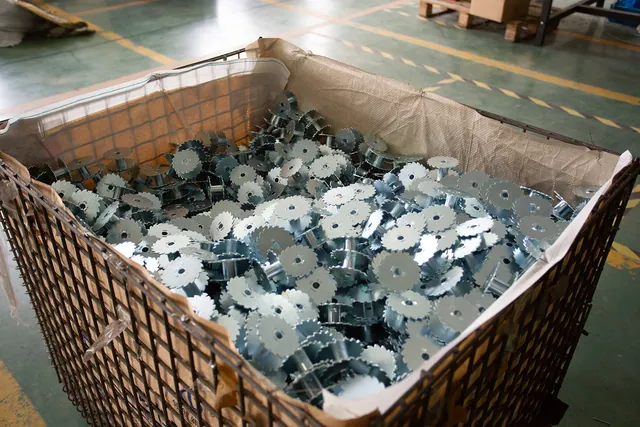
Ratchet handles, cams, buckles and toothed stamping parts run on press lines. These are the parts that carry load and take impact, so they are forged or stamped from steel rather than cast, and the pin is alloy steel. Stamping in-house means a hardware redesign for a private-label customer is a die modification on our floor, not a twelve-week lead time from a vendor.
04
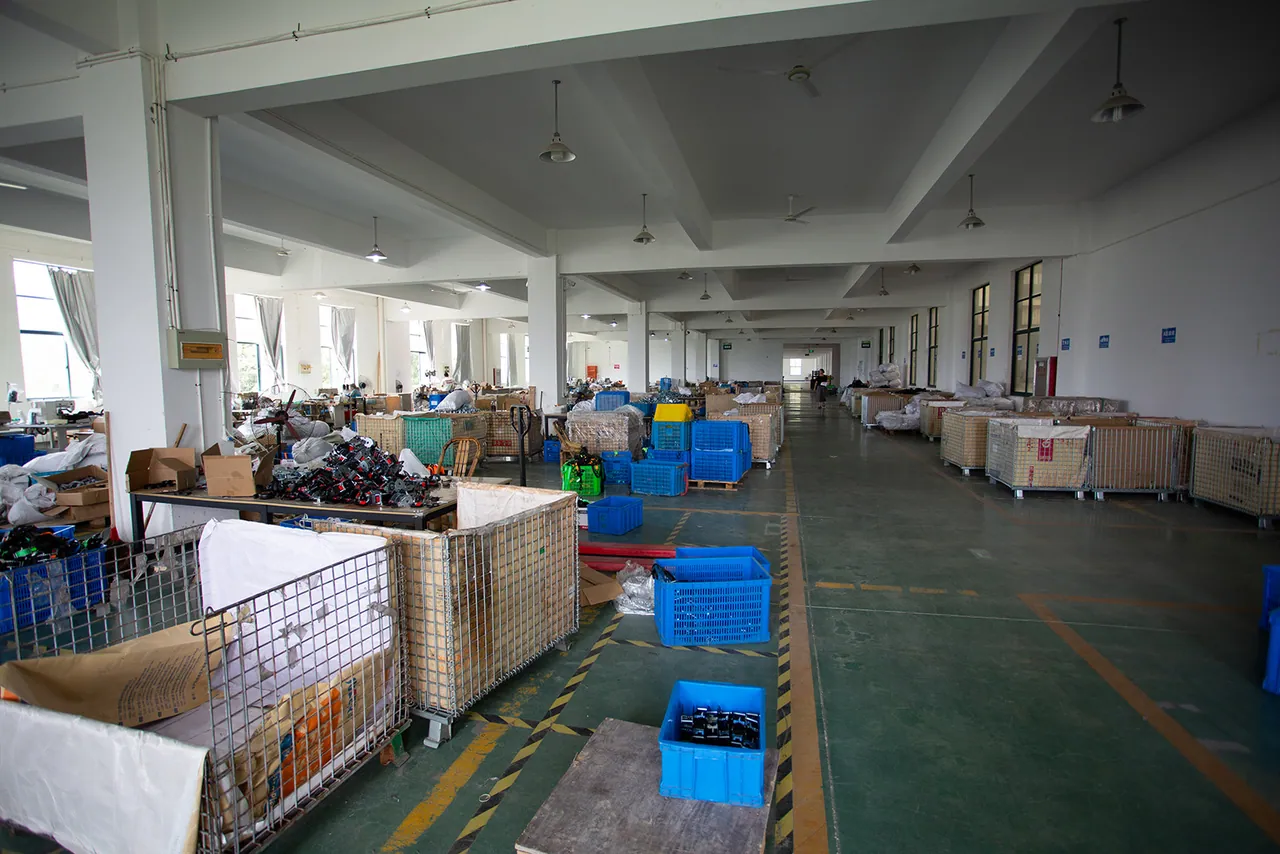
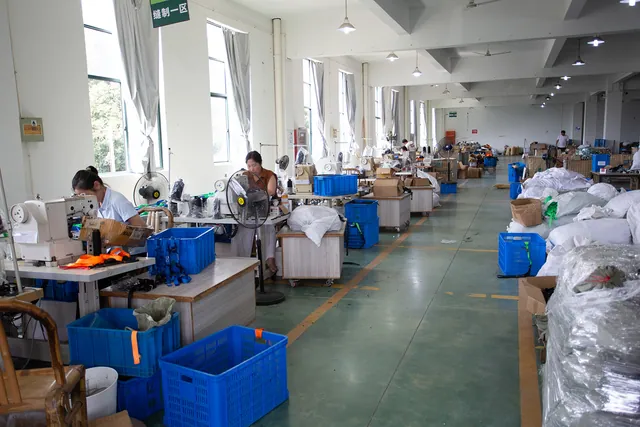
Sewing and assembly
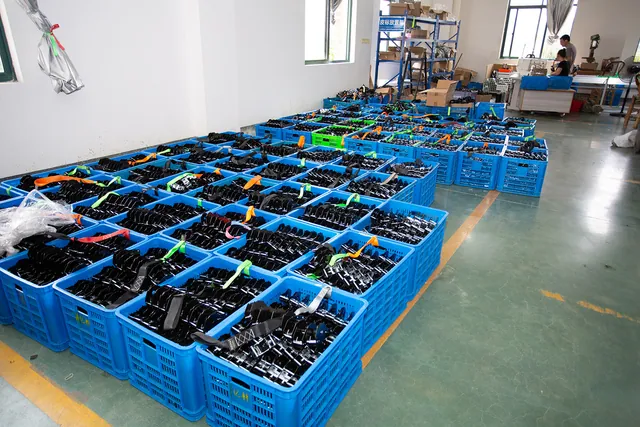
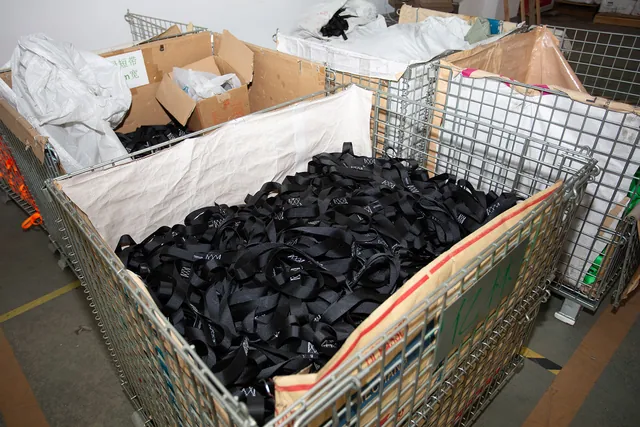
The sewing floor joins webbing, housing and hardware, and every load-bearing joint is bar-tacked rather than simply stitched — a plain seam is the first thing to fail under a shock load. This is also where the strap becomes a product: webbing is fed, folded and sewn to length, the hook loop is formed, and the finished unit goes into a transit basket. Operators self-check at fixed points along the line.
05
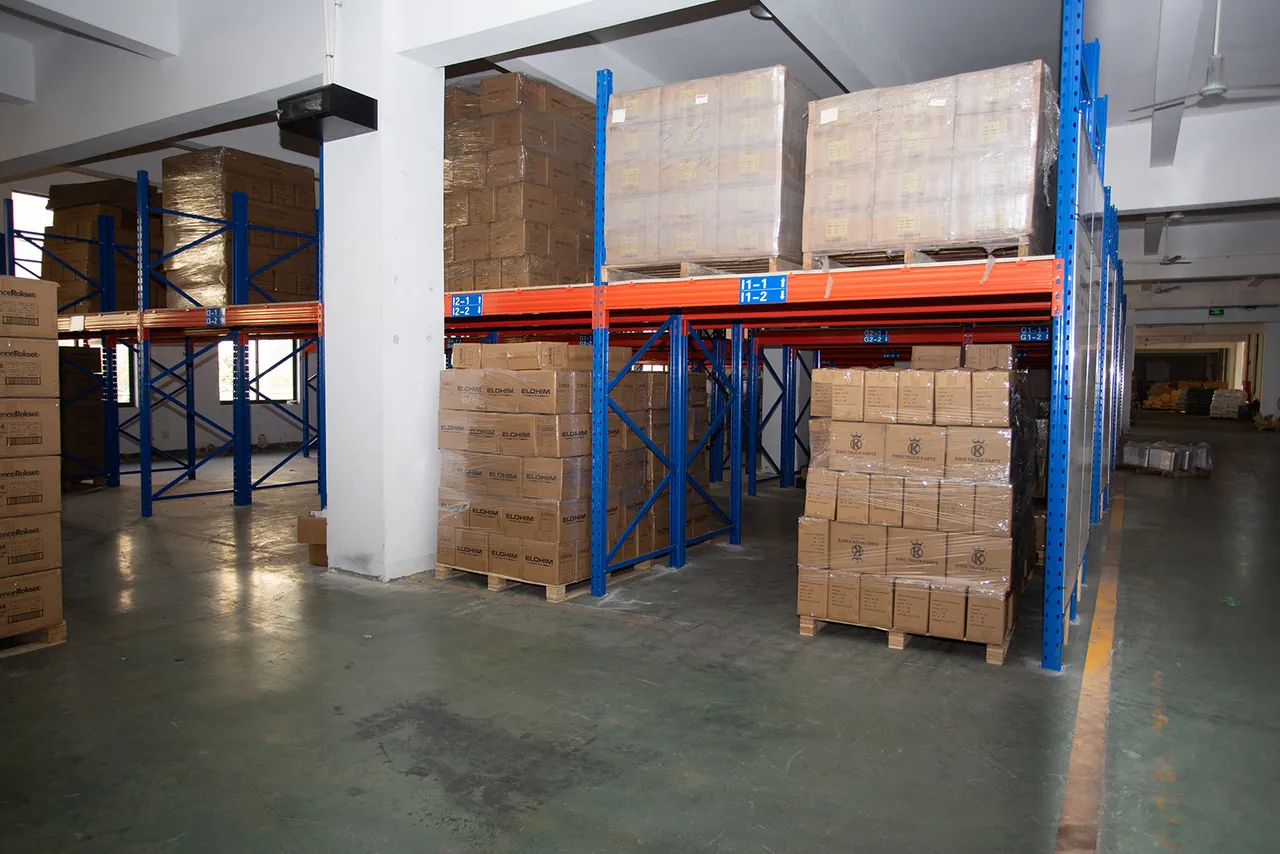
Finished goods warehousing
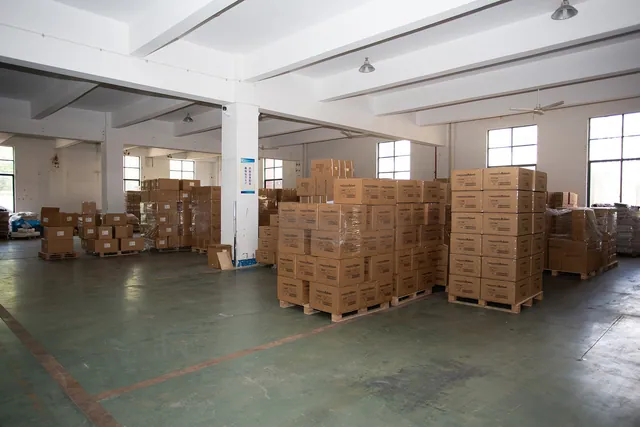
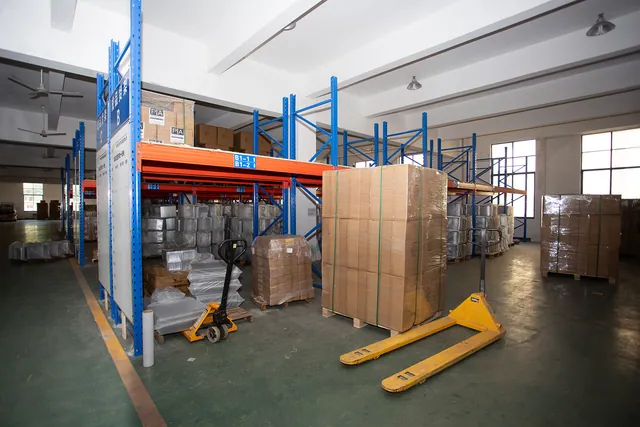
Finished goods are boxed, labelled with a batch code, and racked by series and colour. The batch code on the carton is the link back to the raw material lot, the moulding run and the pull-test report — which is what makes a claim three years later answerable rather than arguable.
06
Packing and shipping
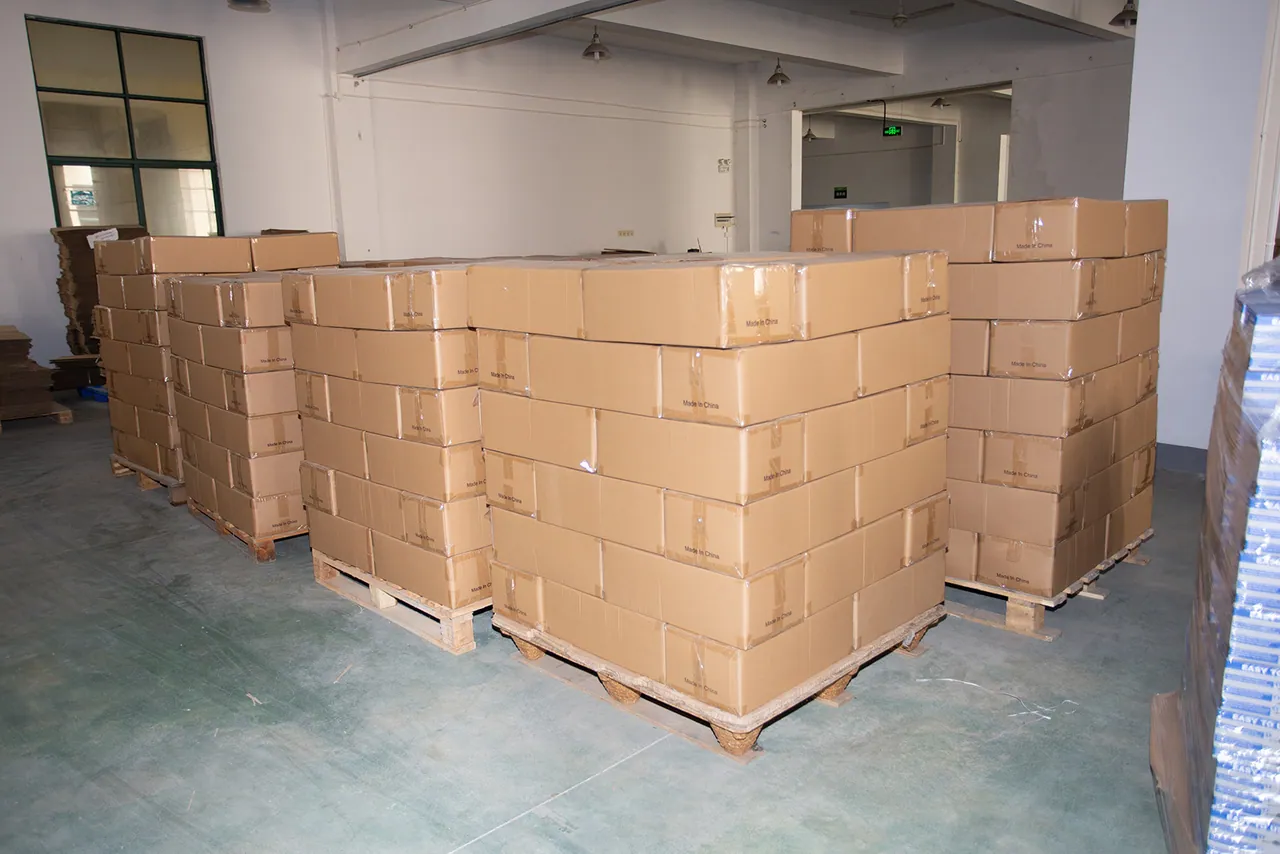
Orders are picked against the batch list, packed to the agreed carton specification, and staged for container loading. Export documentation — commercial invoice, packing list and Bill of Lading — is prepared at this stage, and the certificate of origin is issued on request. We quote FOB Ningbo by default and handle booking and export declaration.
07
Product and sample display
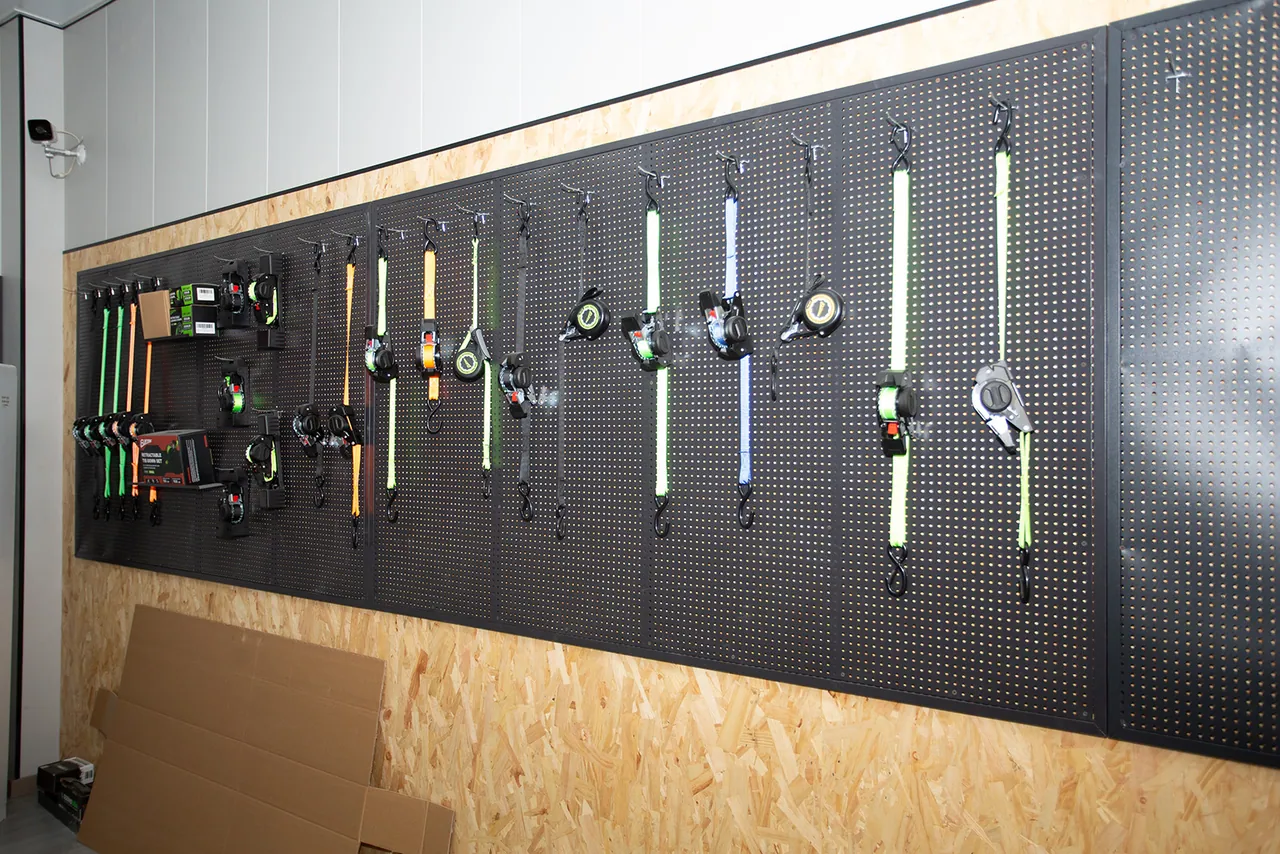
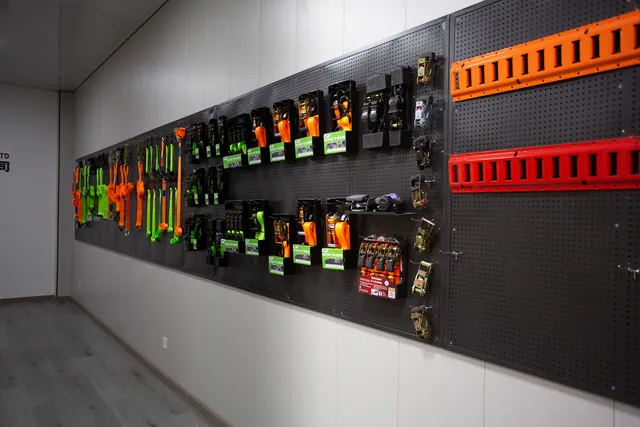
Finished straps and loose hardware are kept on display walls so that a customer walking the plant can see what the plant actually produces, and so that operators can pull a reference sample in seconds rather than searching a rack. The sample wall is also what we photograph for our catalogue.
08
The building
The plant sits in the Ningchuang Science and Technology Center in Yinzhou District, Ningbo — about 25 minutes from Ningbo Lishe International Airport and 40 minutes from the port. Production, moulding, sewing, warehousing and shipping are all under this one roof.


Equipment
- Injection moulding
- Horizontal presses with robotic take-out for ratchet bodies and hook housings, in orange and black.
- Metal stamping
- Press lines producing ratchet handles, cams, buckles and toothed stamping parts.
- Webbing and sewing
- Belt looms, industrial sewing lines and reinforced bar-tack stations for webbing ends and hook loops.
- Assembly and test
- Manual assembly benches paired with a tension tester for batch break testing.
- Warehousing
- Finished-goods racks, carton labelling, and manual pallet trucks for staging.
Capacity and lead time
| Item | Value |
|---|---|
| Sample unit | 2 business days |
| Custom-colour sample | 7–10 business days |
| Bulk order | 15–20 days after artwork approval |
| Repeat order | 7–10 days |
| MOQ | 500 pcs per series and colour |
| 20ft container | approx. 40,000 pcs of the 25mm series |
Export and logistics
- Port
- Ningbo-Zhoushan (CNNGB) and Shanghai (CNSHA). We quote FOB Ningbo by default.
- Incoterms
- EXW, FOB, CIF, CFR and DDP. We handle export declaration, packing and booking.
- Documents
- Commercial invoice, packing list, Bill of Lading, certificate of origin on request.
- HS code
- HS 4205 — textile straps of plastics or rubber; confirm per destination before booking.
Visit us
We are in Yinzhou District, about 25 minutes from Ningbo Lishe International Airport and 40 minutes from the port. Tell us your dates and we will arrange a visit to the production floor.
Need a custom tie-down solution?
Tell us your load rating, length and hardware — we will quote within 24 hours.